Every Friday, Community members design and lead a Vespers service, reflecting our interests, traditions, or concerns during our time at Lambeth. Last week, I led our service remotely, via Zoom, and tried to incorporate a lot of technology and a lot of humanity at the same time. I figured out how to screen-share the few images I provided for meditation, and I sent out YouTube links for the two songs I wanted to feature, but I also asked everyone to switch off their videos, close their eyes, and listen during the evening’s primary litany. Everyone might have listened to the songs separately, but we did so at the same time. We couldn’t see each other as I read, but we knew we were united in our stillness and our quiet.
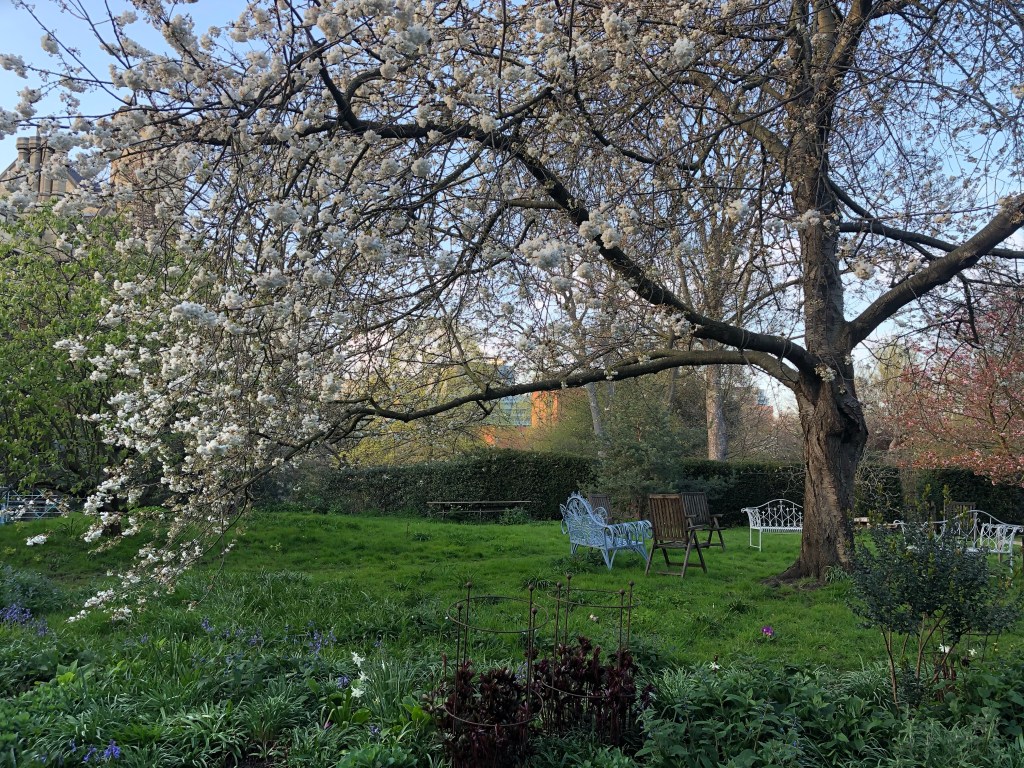
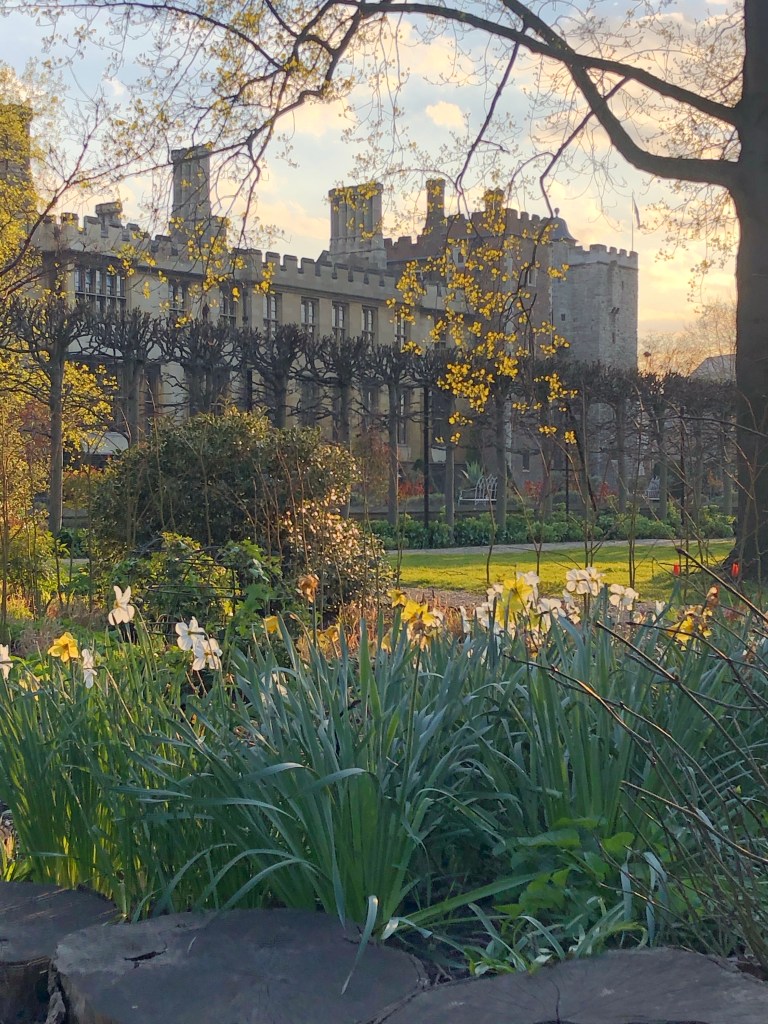
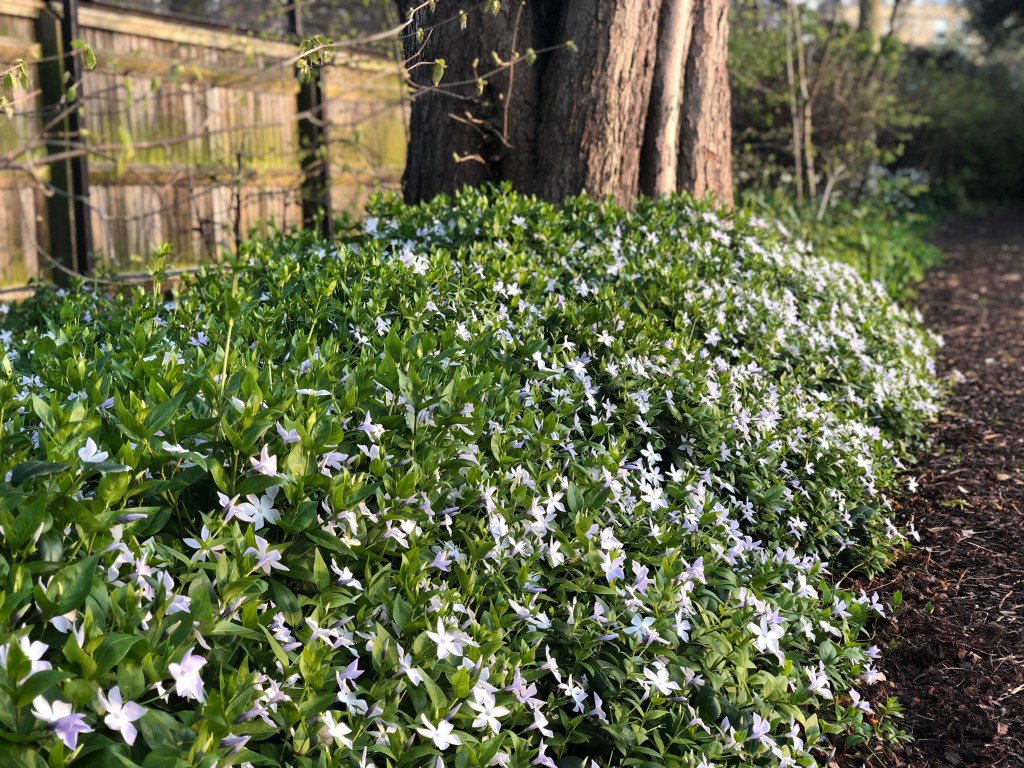
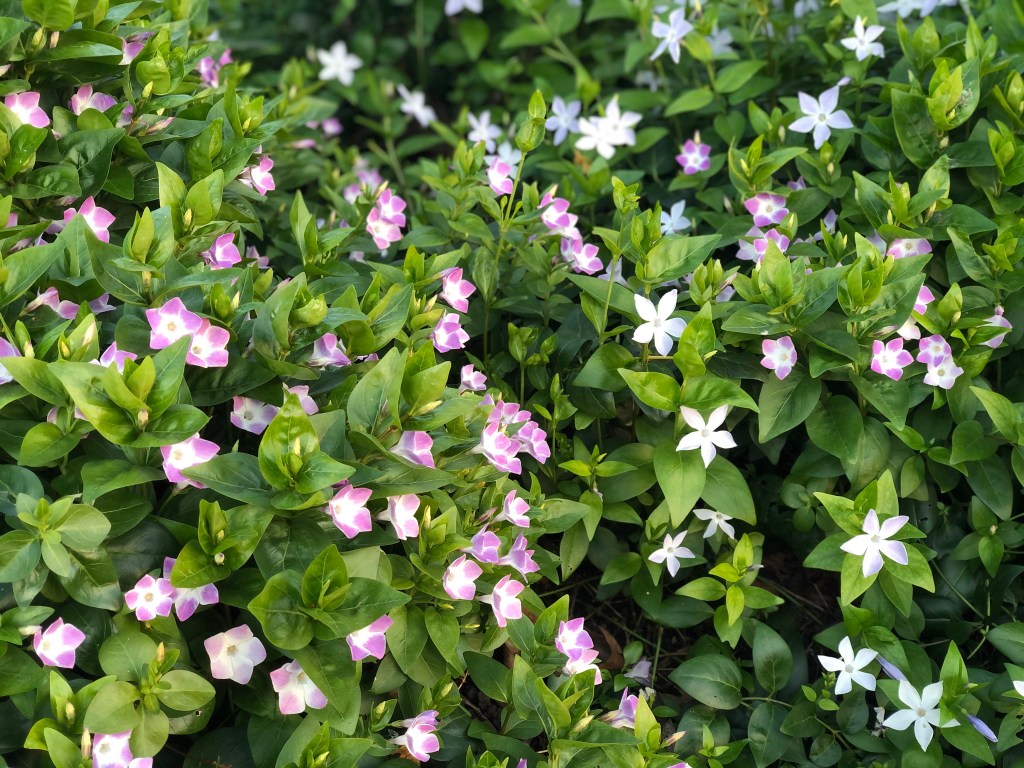
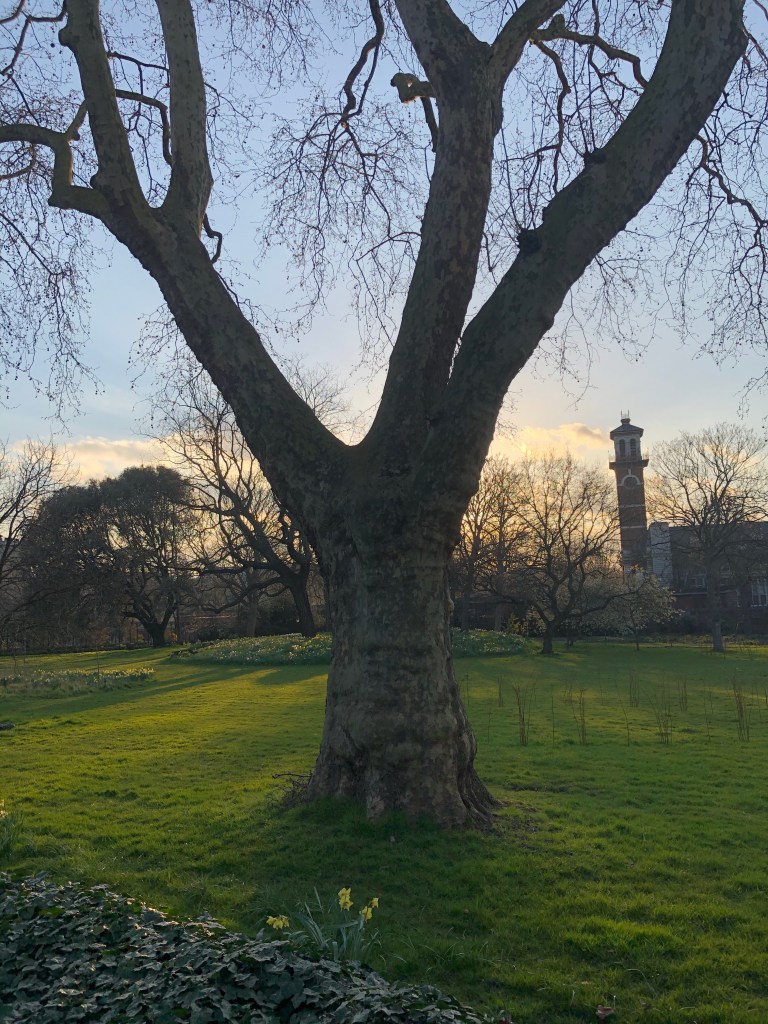
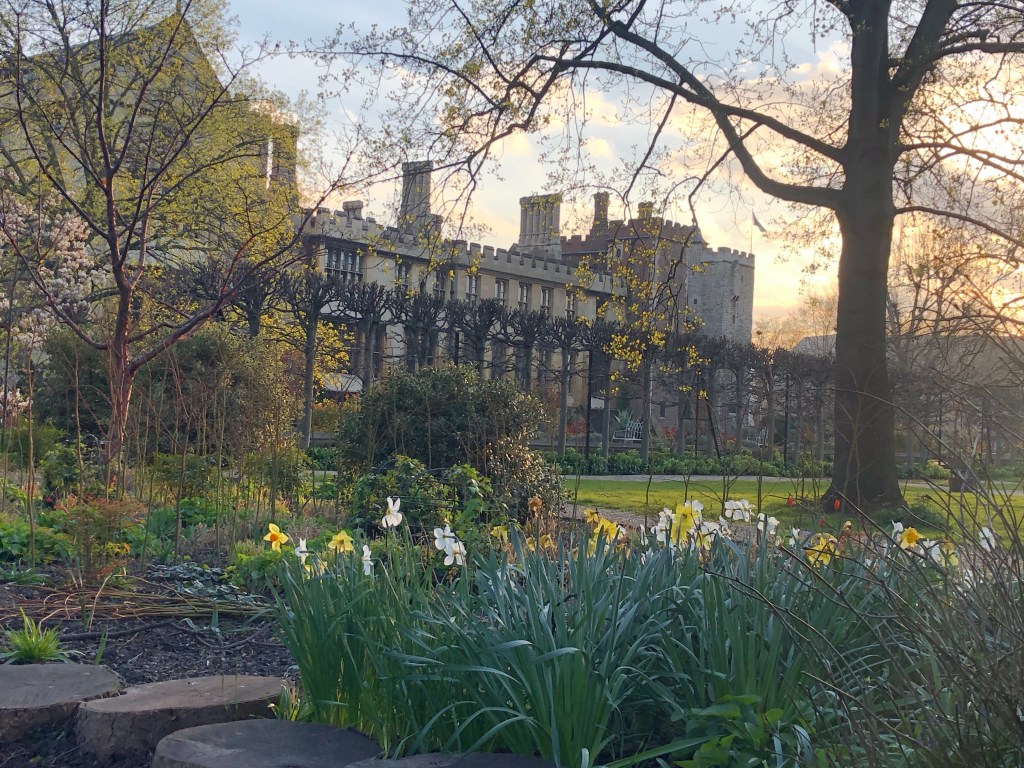
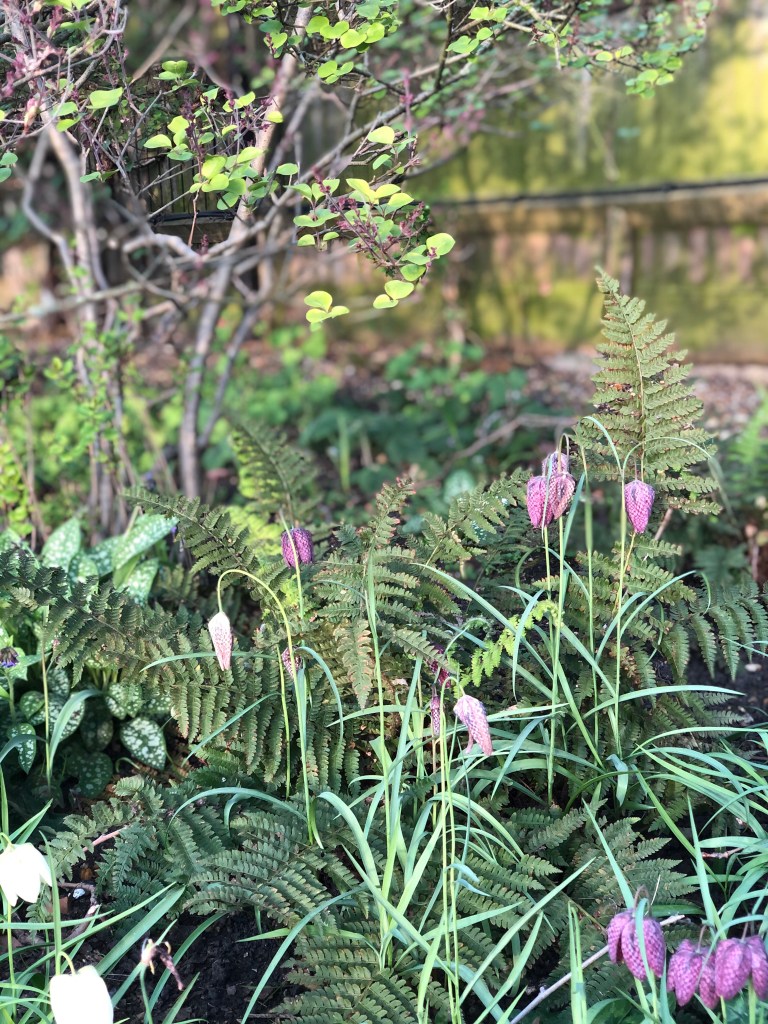
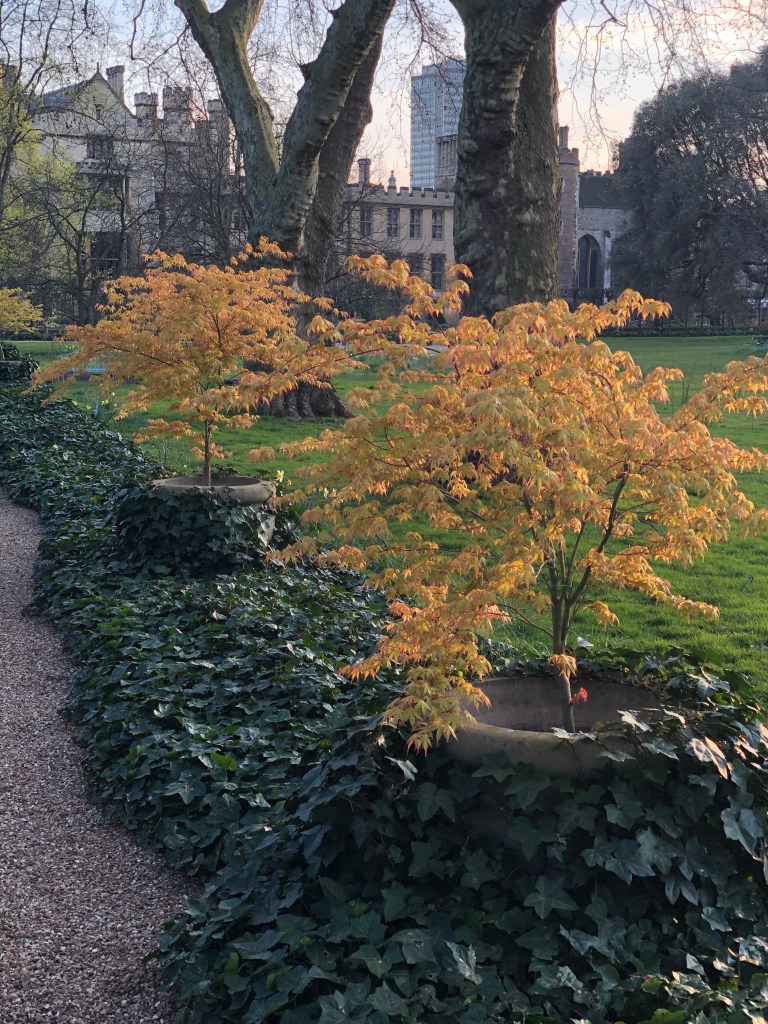
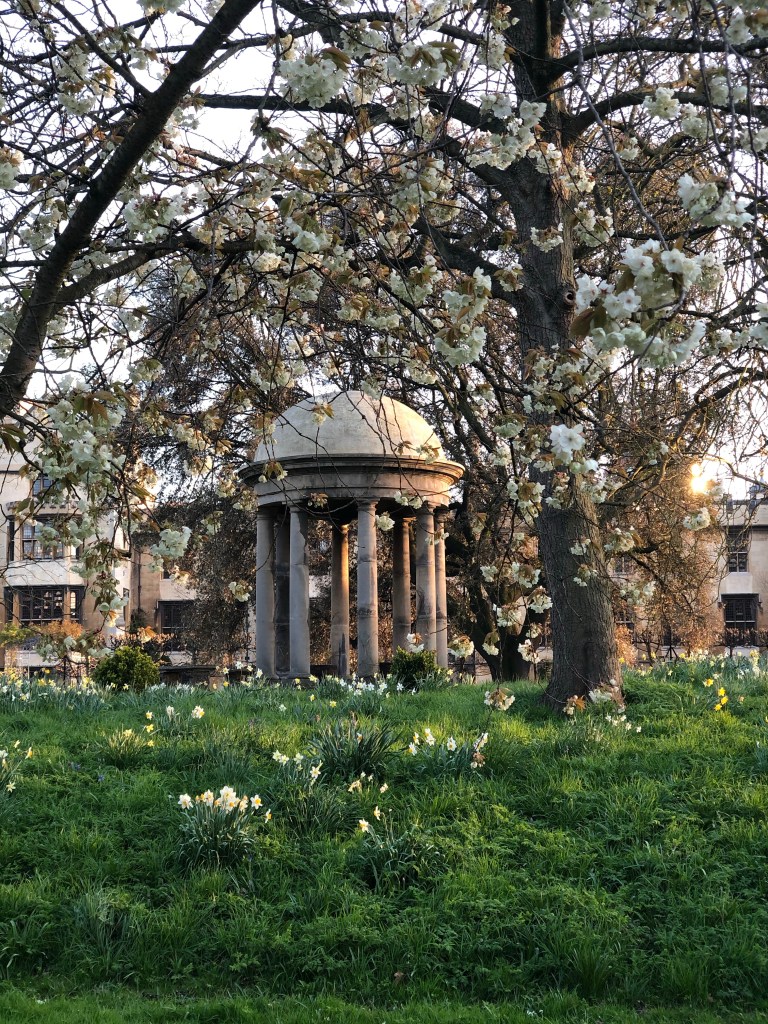
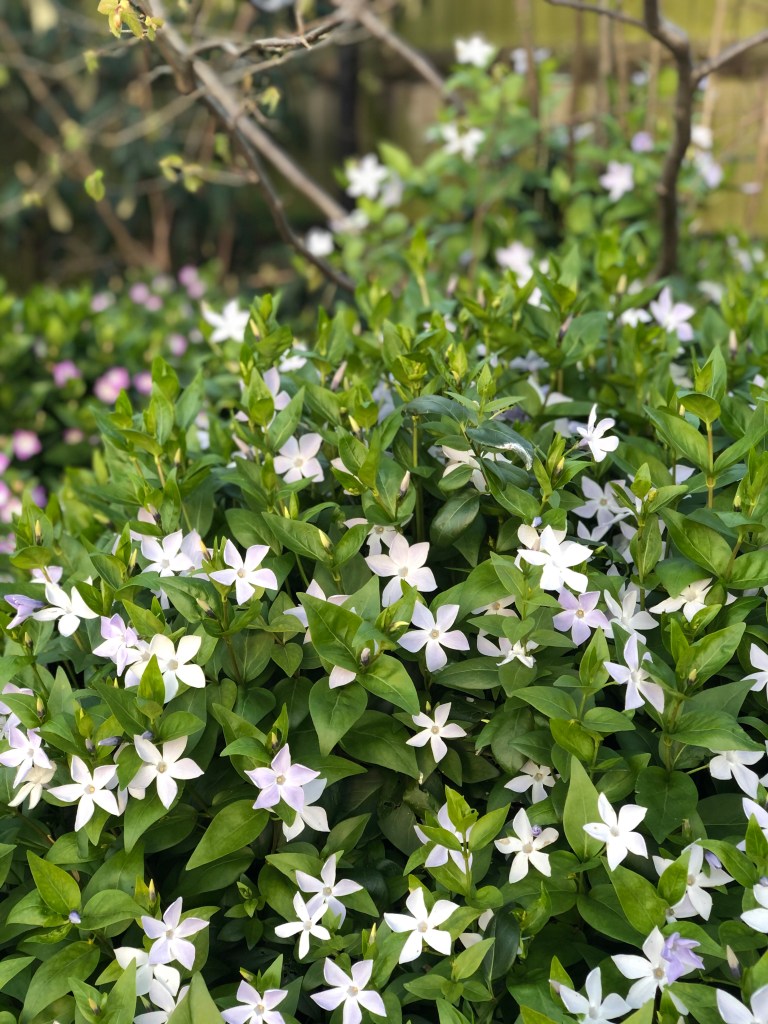
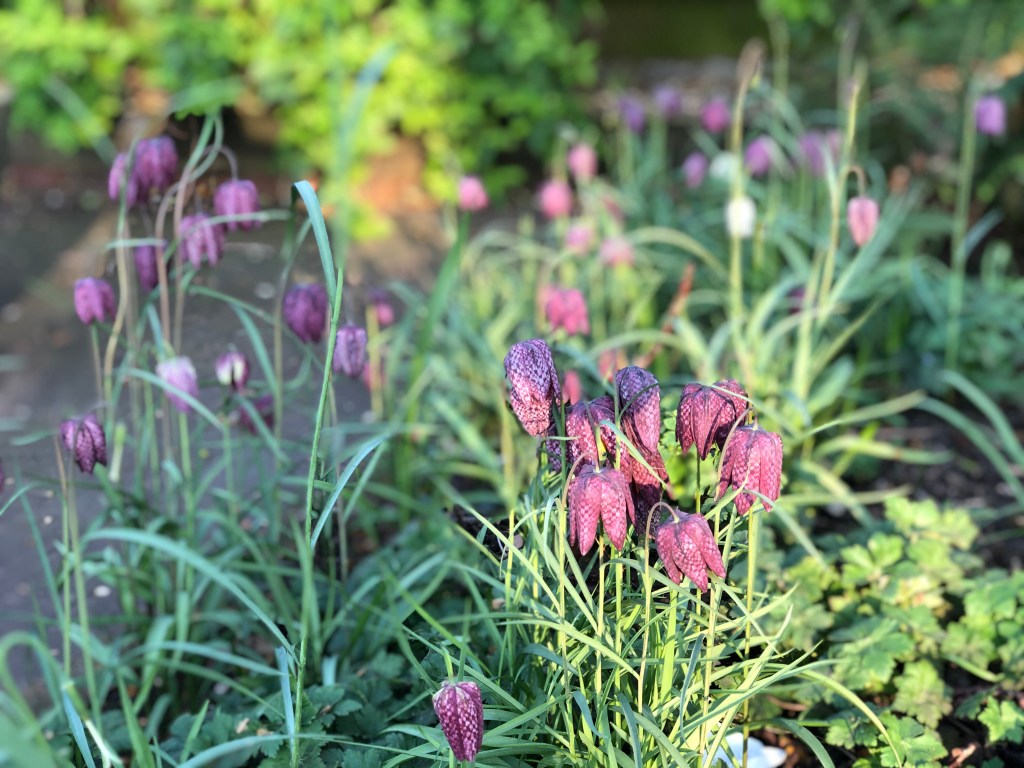
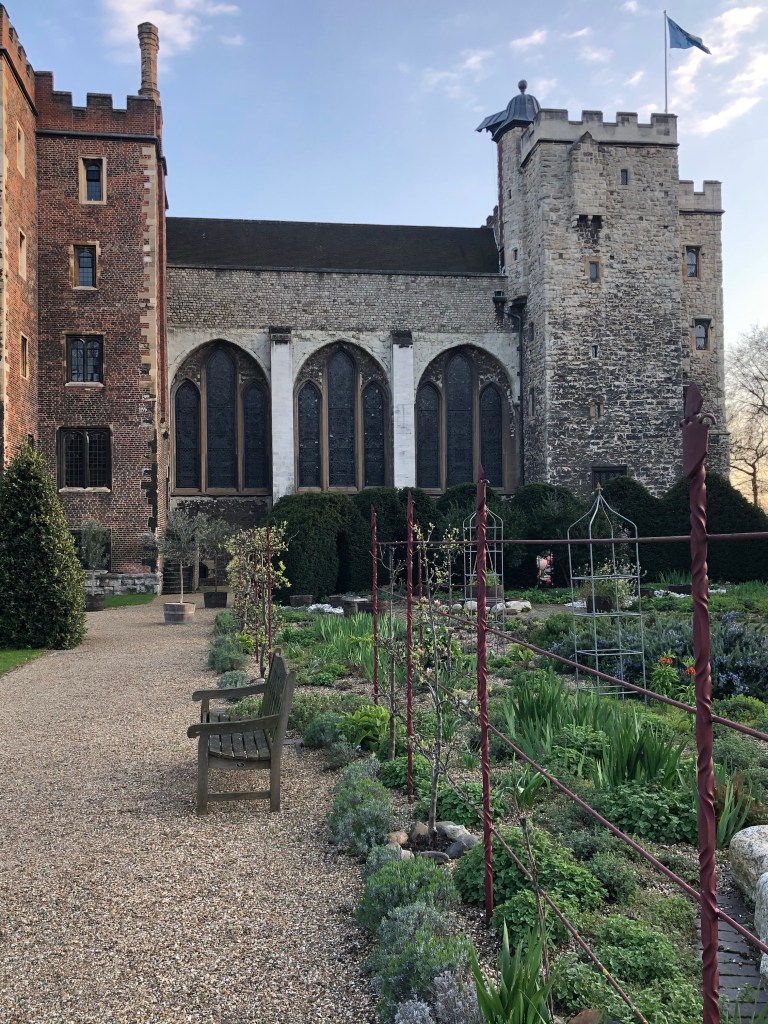
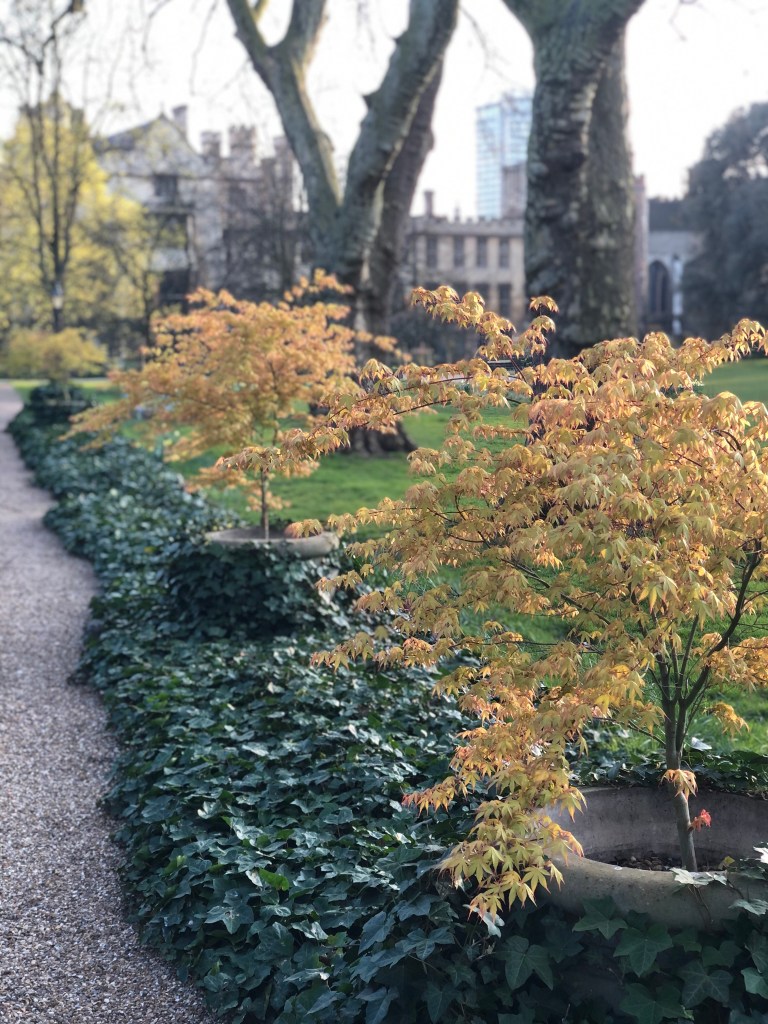
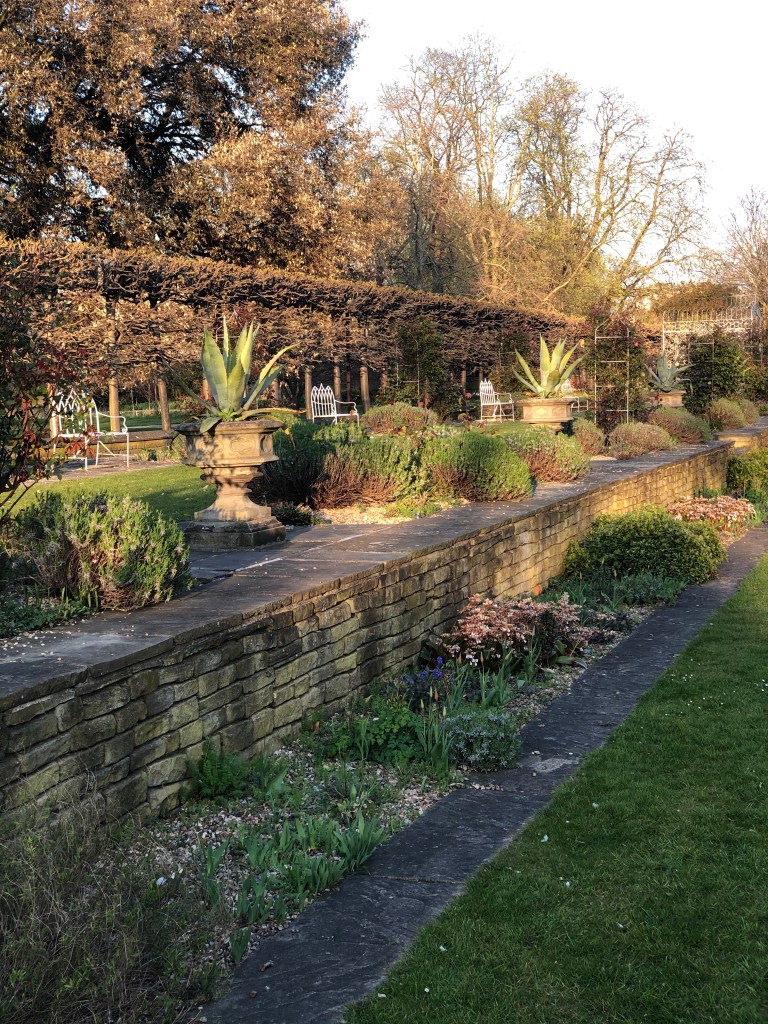
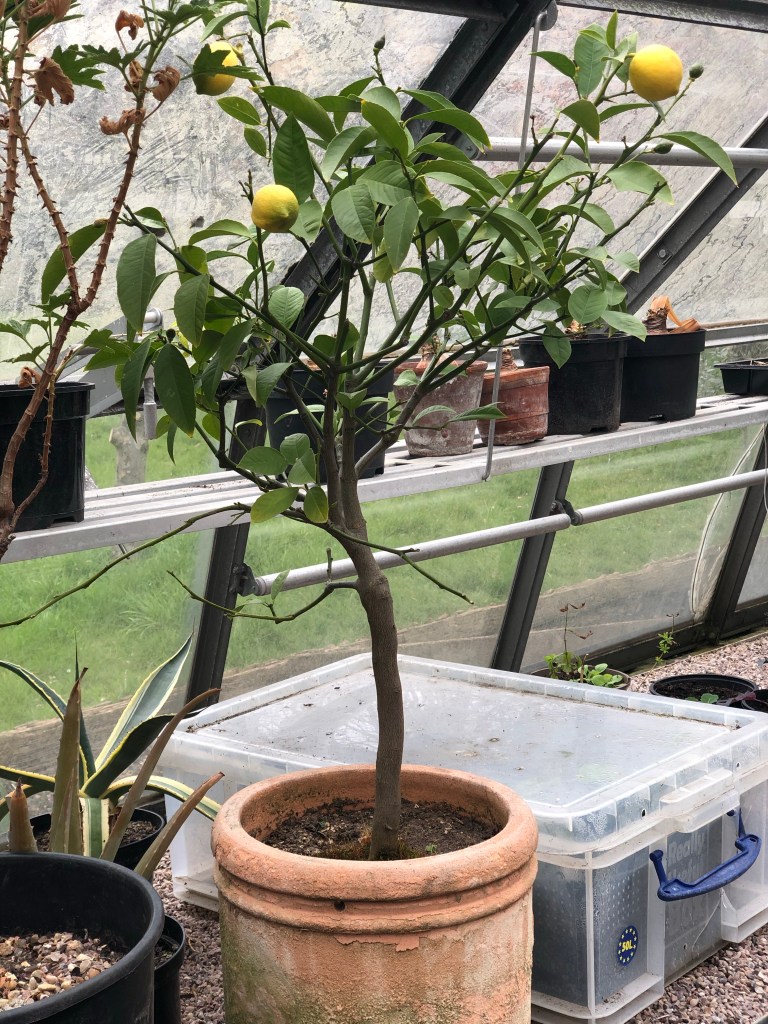
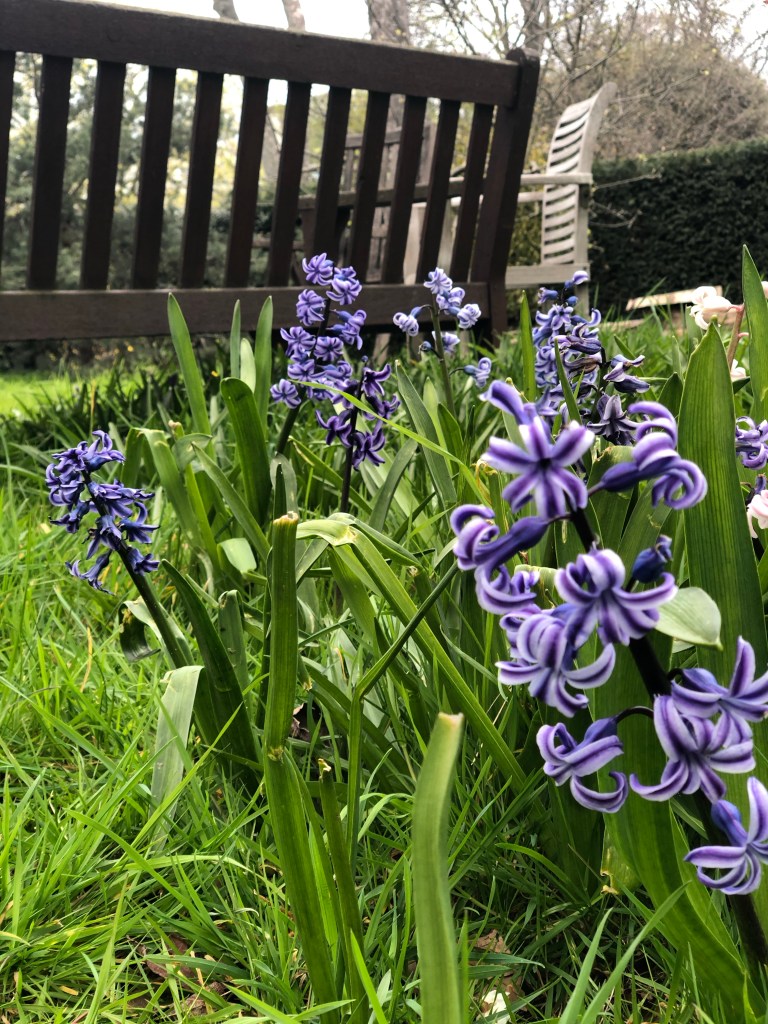
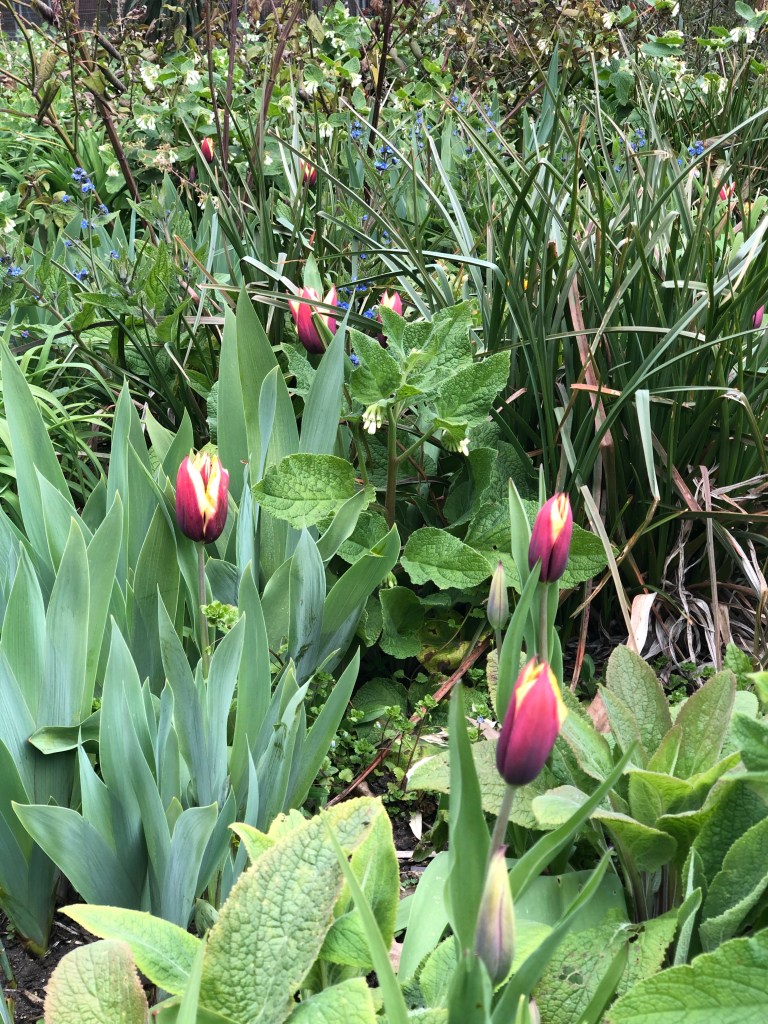
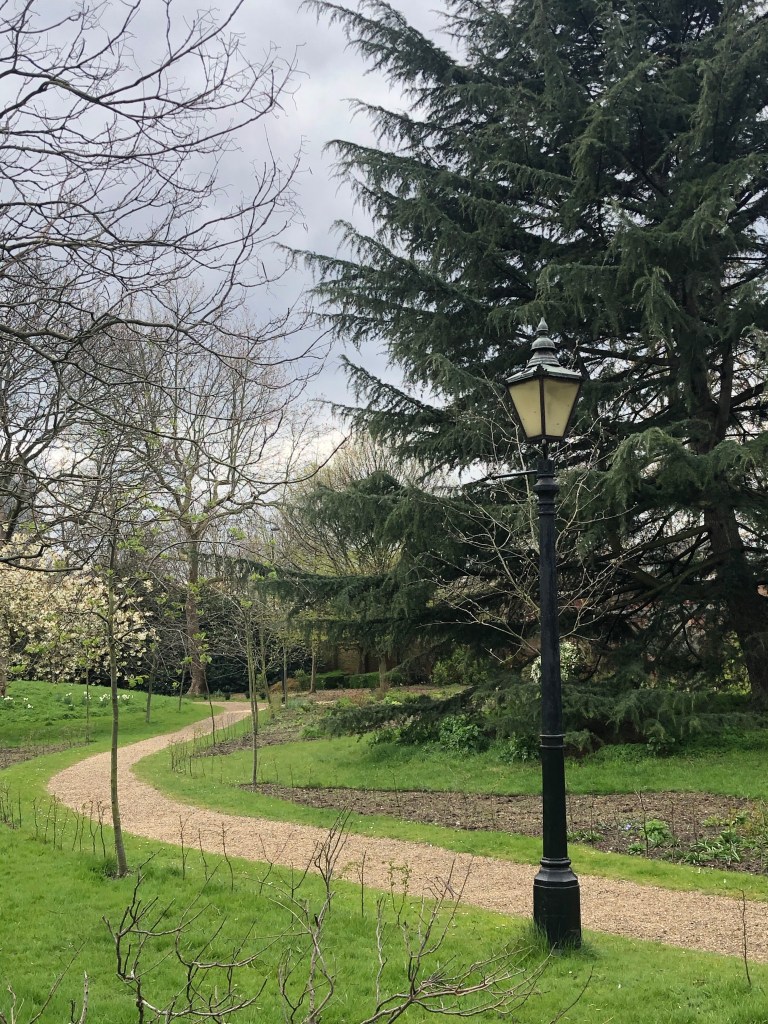
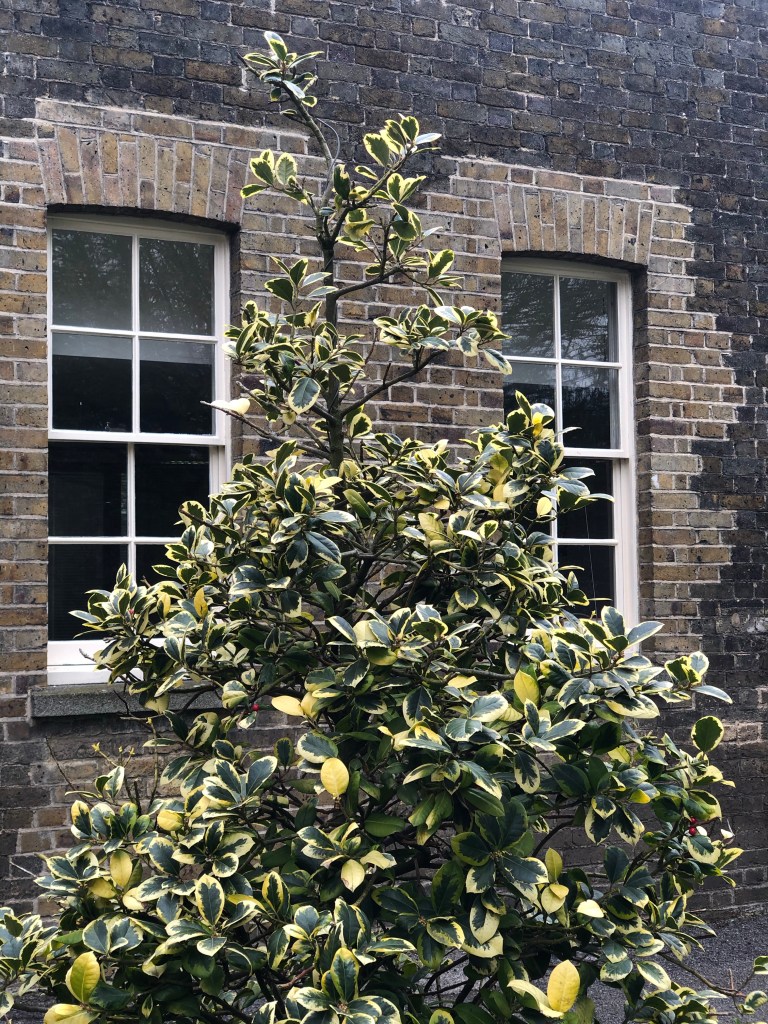
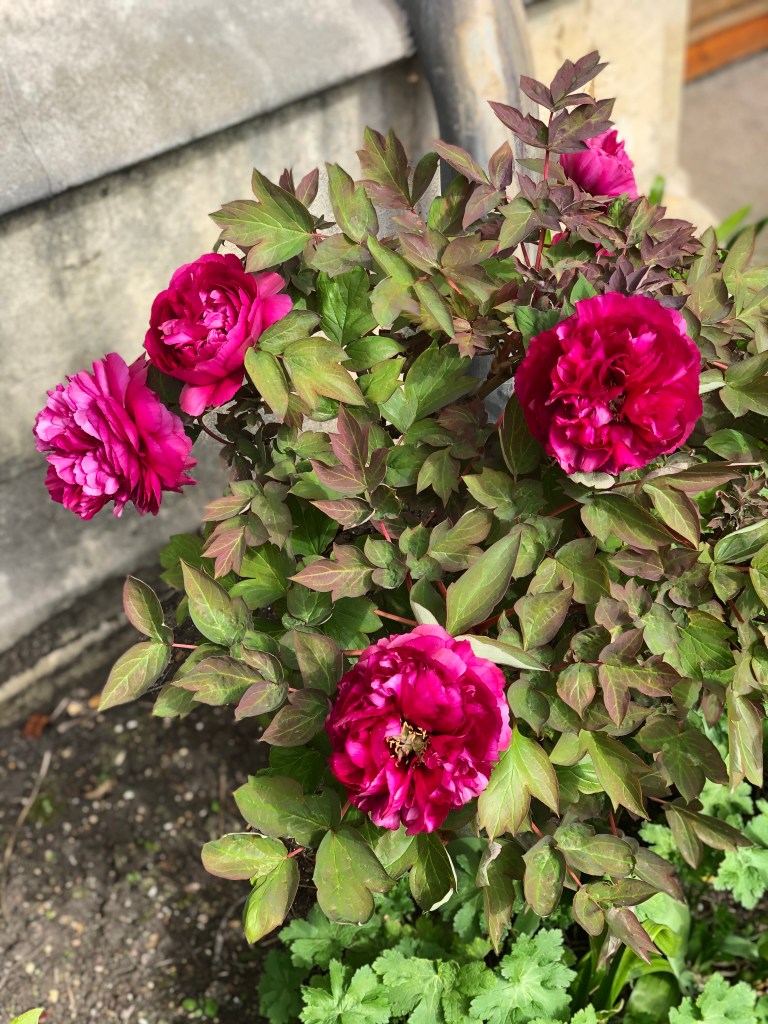
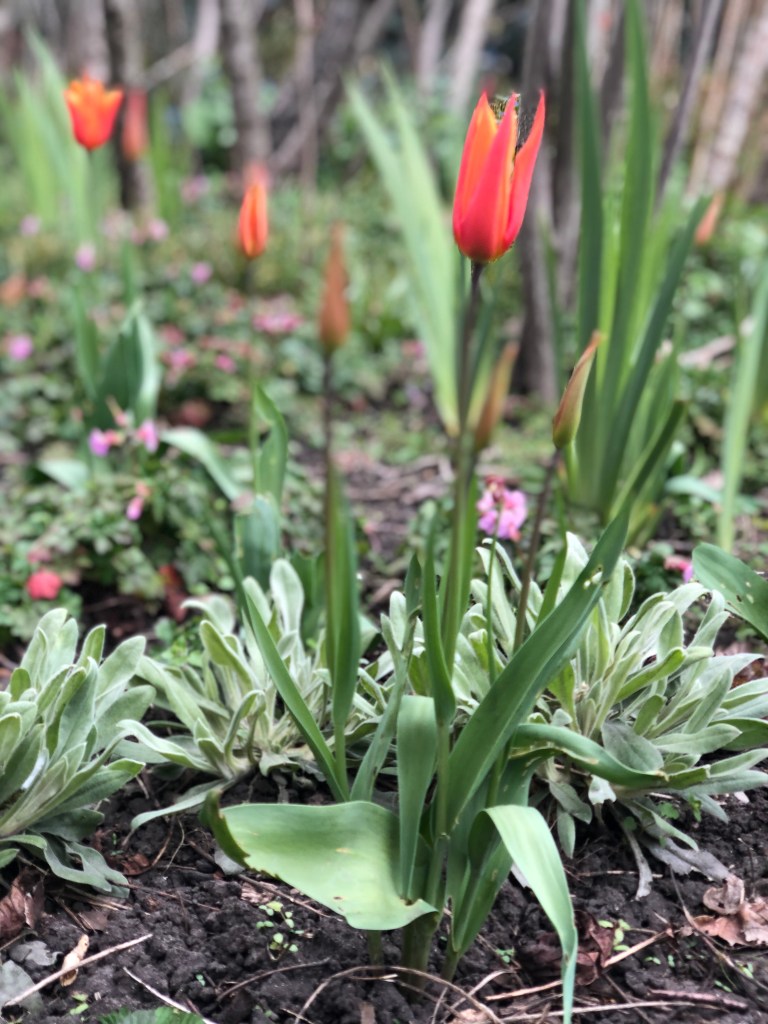
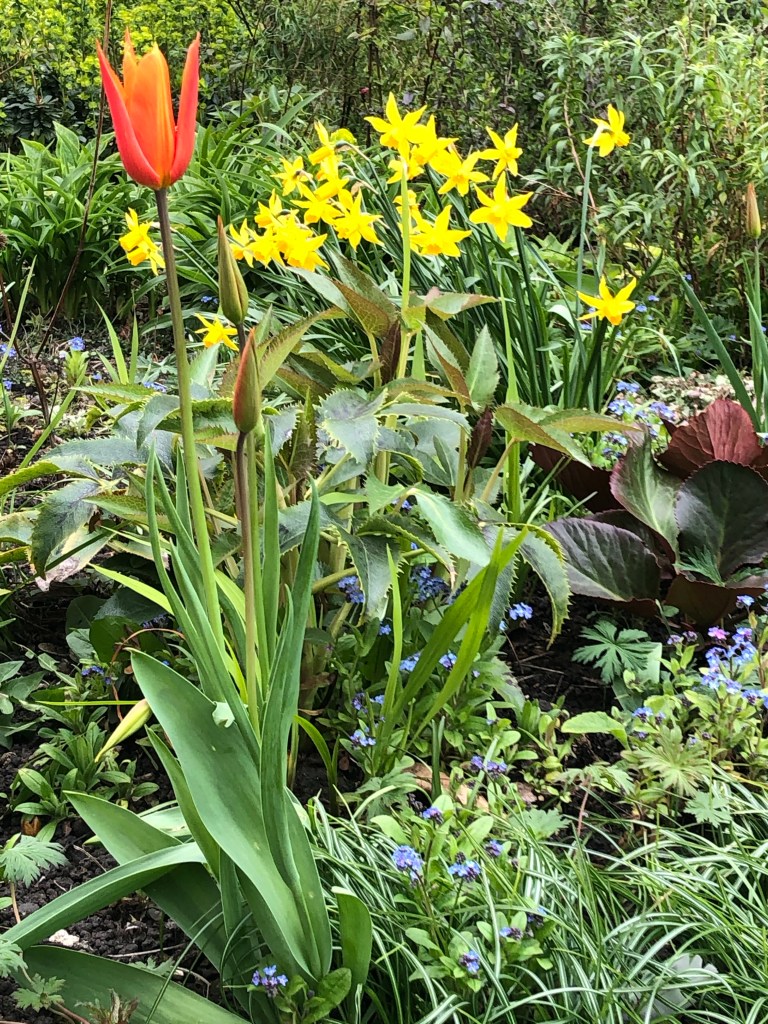
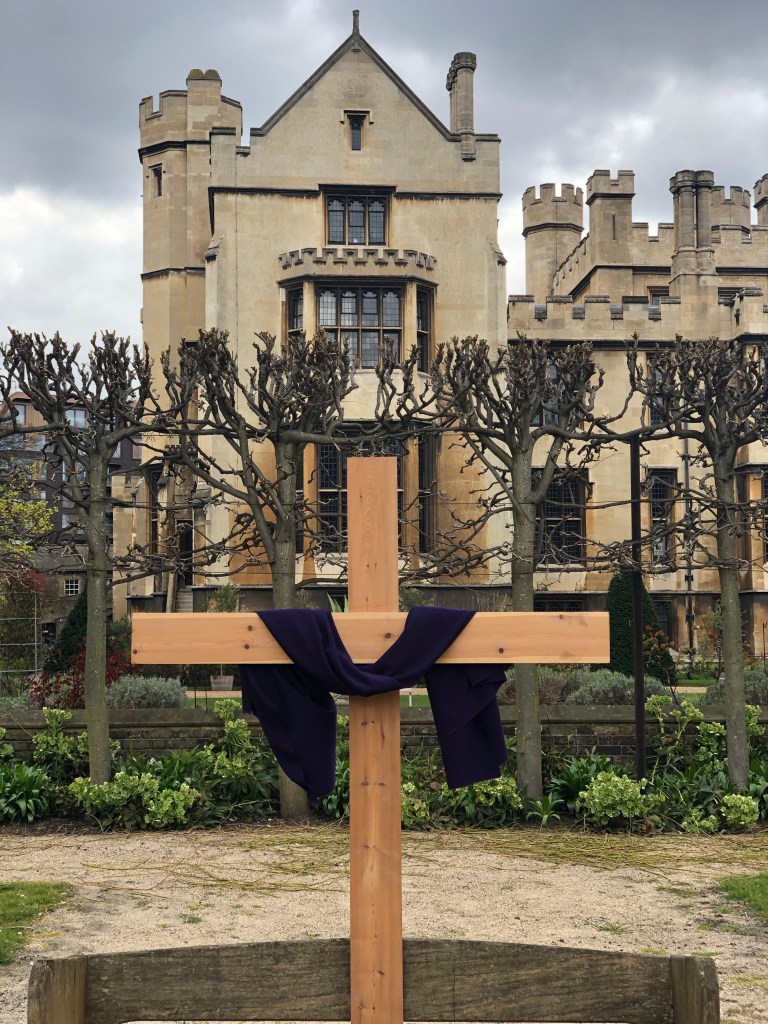
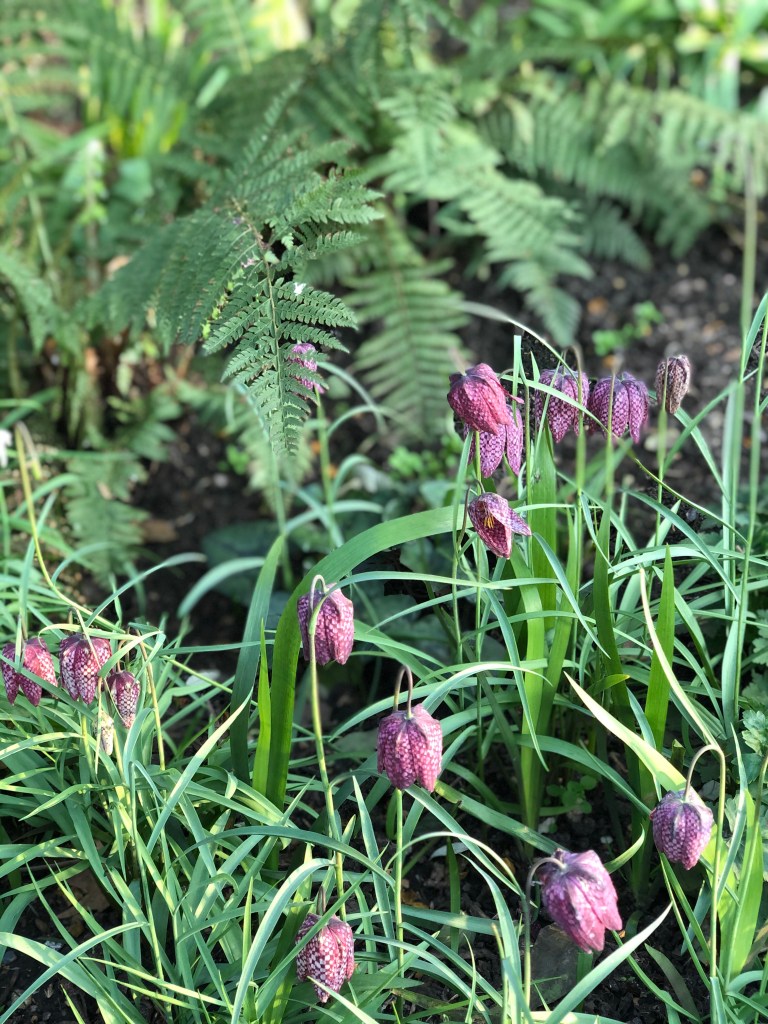
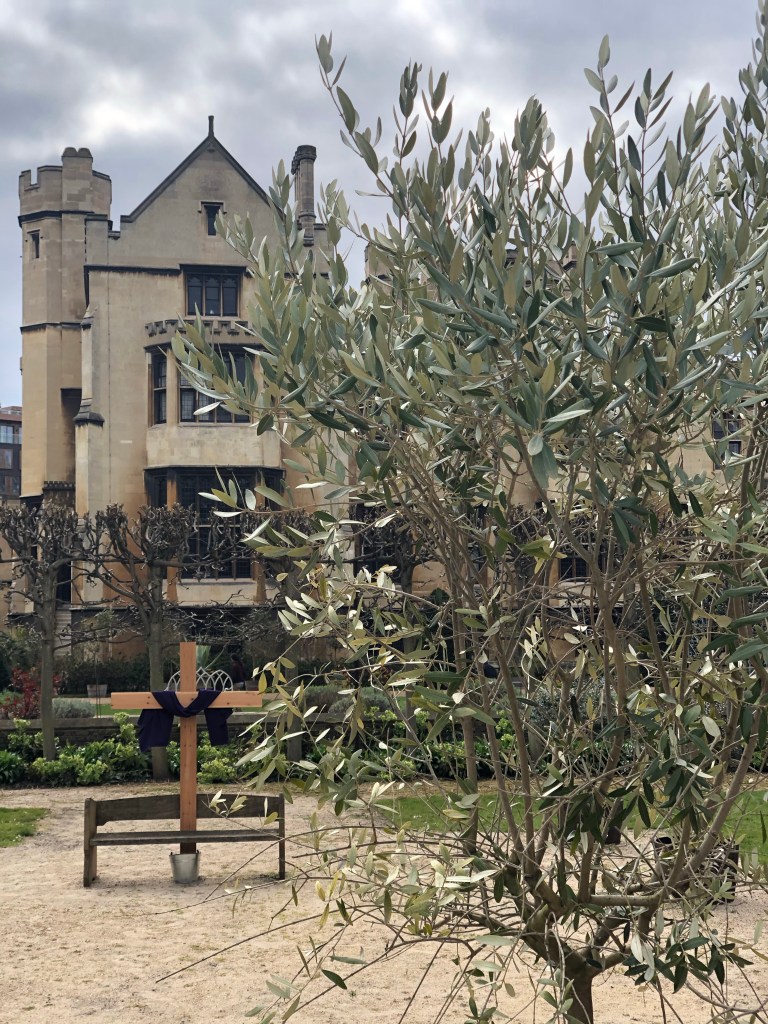
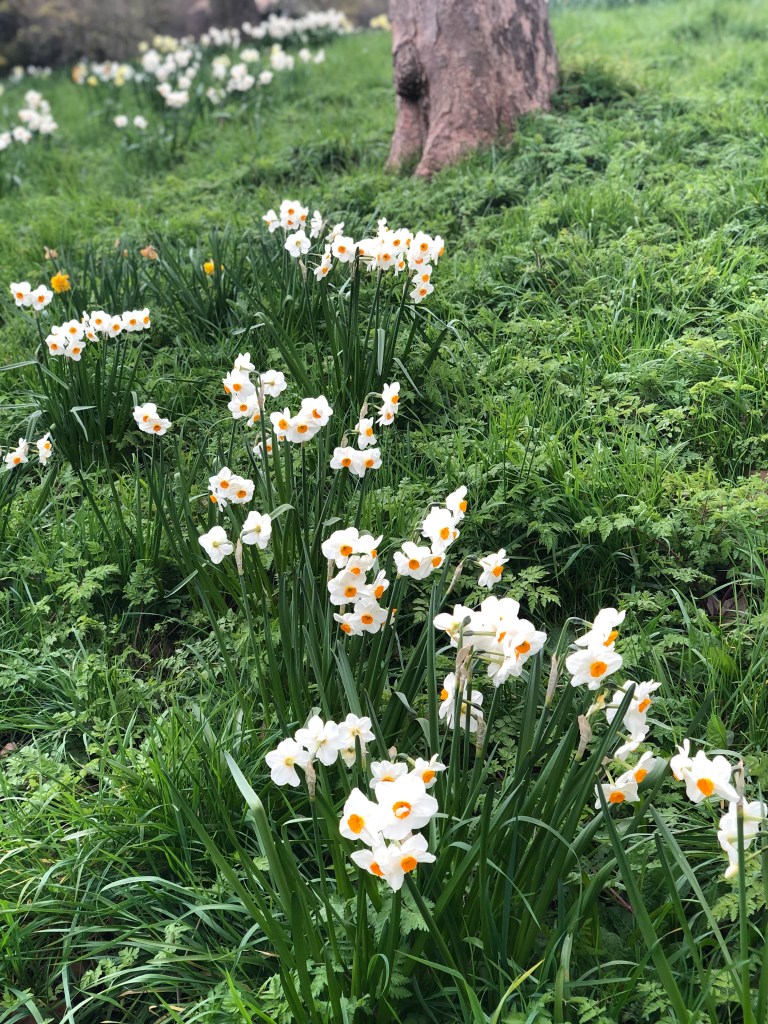
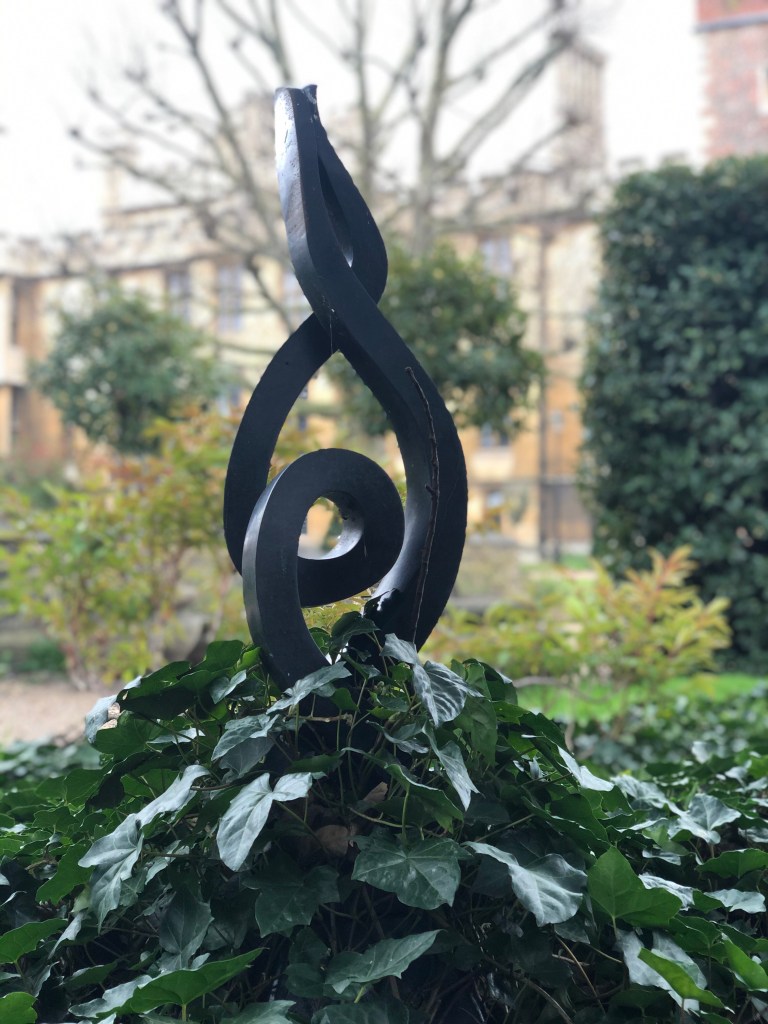
In addition to the images and video links I shared last Friday, I have also included photos from around the Lambeth Palace gardens, which inspired this service. As so many of us are, we are hunkered down and caring for one another here, but I have yet to leave the Palace since we began to self-isolate as a Community. At some point, I will leave for (incredibly mild) exercise or to visit the pharmacy, but for now my nerves and/or my contentment have kept me within these walls. It is a weird time, we all know that, but God has always worked within the weird times of our shared humanity, and sometimes God offers us a lesson, as They sit beside us and wait.
Peace, in the midst of isolation and of spring – JFL
Phos Hilaron
Originally in Koine Greek, the oldest Christian hymn, outside of those in the Bible, still in use. Part of the Byzantine Rite for Vespers.
O Gracious Light,
Pure brightness of the everliving Father in heaven
O Jesus Christ, most holy and blessed!
Now as we come to the setting of the sun,
And our eyes behold the Vesper light,
We sing thy praises, O God:
Father, Son, and Holy Spirit.
Thou art worthy at all times
To be praised by happy voices
O son of God, O Giver of Life
And to be glorified through all the worlds.
Introduction
Monday was my first day out of isolation and my first time to join midday prayer. For those of you who don’t know, at 12:30, we gather in the garden for a Taize song, a reading from the Gospels, and a few minutes of meditation. We disperse throughout the garden to meditate on the readings or just on the day, and then come back together to sing again and pray and go. That first day, I sat and faced the construction of the new Lambeth Palace library. A small crew seemed to be finishing up a stage in the project, and I considered how much of life, the very big and the very small, keep going, even as the pattern of our days have changed so much. As I sat philosophizing, I became increasingly interested in the process of a large yellow digger reaching through a break in the chain link fence and digging up scoops of the garden. My interest switched to amazement when I realized they were digging around a small tree. They picked it up, a young tree certainly, mostly a trunk with a few new branches, but I was amazed at the ease with which this machine completely changed that little tree’s trajectory, and how it held the tree horizontally, aloft, before setting it down to be re-planted in a better place.
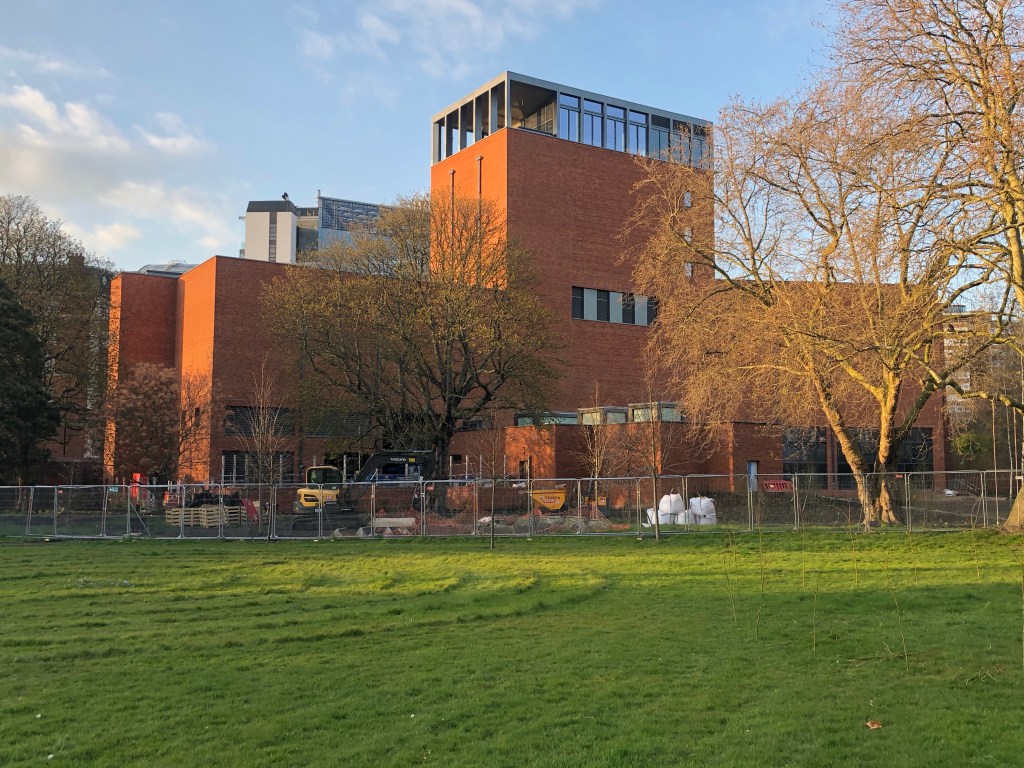
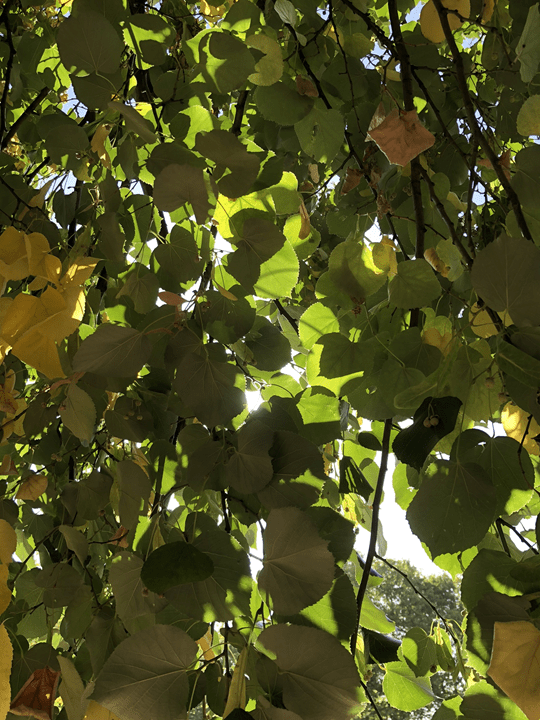
They say a poem is that which cannot be said any other way, and that ballet of nature and machine was certainly a poem. None of my attempts to say it in any other way will be sufficient, but I can at least share some of the other verses and images it brought to mind. We’ll begin with two versions of Psalm 1, which speaks of the beauty of being planted in the best possible place. I am not saying that being stuck in our apartments or even the palace means that God has planted us here for a reason, but that we have a foundation, a far-reaching root system, a place beside the streams of living water that means more than where we end up spending our days. In this time of immense change, I hope we will remember the strength of our foundation in Christ, and let it renew our faith, from root to tip.
PSALM 1
Happy are those
who do not follow the advice of the wicked,
or take the path that sinners tread,
or sit in the seat of scoffers;
but their delight is in the law of the Lord,
and on his law they meditate day and night.
They are like trees
planted by streams of water,
which yield their fruit in its season,
and their leaves do not wither.
In all that they do, they prosper.
The wicked are not so,
but are like chaff that the wind drives away.
Therefore the wicked will not stand in the judgment,
nor sinners in the congregation of the righteous;
for the Lord watches over the way of the righteous,
but the way of the wicked will perish.
“Consider the lilies”
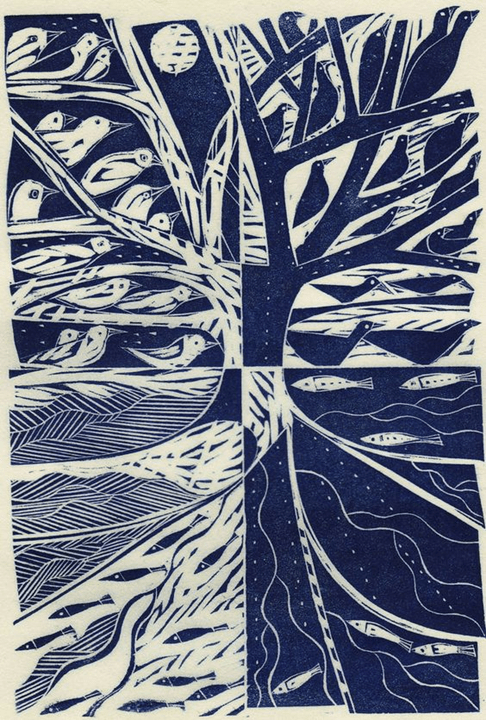
The Psalmist encourages us to be planted in the law of the Lord. Some scholars even see this verb as related to the act of re-planting, meaning that God is the gardner who sees our potential and puts us in the best possible place for us to flourish. God provides the plot and the streams of water and puts us there, knowing how well we will grow. Likewise, in the Gospels, Jesus tells us to consider the lilies, to see God’s provision in the beauty of their petals, and to notice how God has provided for us and will continue to do so.
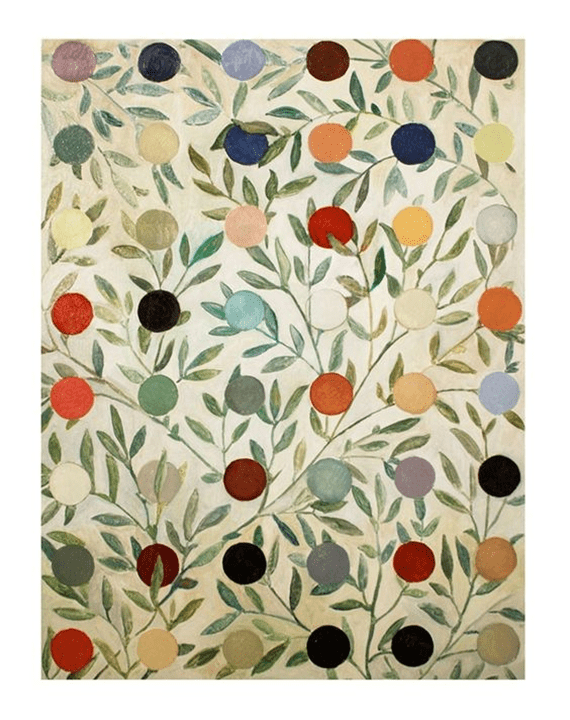
For the next few minutes, I would like you to close your eyes and listen. Let your imagination illustrate the images I am describing, and consider what the trees and the lilies have to teach us about God.
Consider the lilies, Christ tells us, consider the lilies for they neither labor nor spin. But sit on their slender stems and seem to shout, in shades of white and gold and orange, purple, or pink, the story of Creation, when God was in Garden they had just created and wanted to fill it with beauty and complexity, and provide all the sunshine and rainfall their new creations craved. As the lilies unfold and become brazen, let them remind you of how good and good and very good is this world that God has loved into being. Consider the lilies…
Consider, too, the curling fronds of a fern, that have been furling and unfurling in much the same way for hundreds and thousands of years, from the arctic to the tropics, in shady, dark forests, in swappy, boggy wetlands, along craggy rocks, and on tropical trees. Imagine a glade full of deep, dark ferns, and walking through them as they rustle…let them teach you about the constancy of God, who reaches us where we are, and has always done so. Unchanging yet adaptable, consider the ferns…
Consider the Olive tree, with its silver leaves and gnarled, knotted branches, The fat round fruit that becomes oil, oil for anointing at times of consecration, sacrifice, and sickness, oil that runs down the hair and the head, the beard and the hem of a garment, reminding us of the overflowing abundance of God’s blessing. Consider the olive tree…
Consider the willow that proverbially weeps, and remember that we serve a God who suffers, who experienced the difficulties of life on earth, and more than that, a death that few of us can imagine, but also that God has suffered alongside humanity long before and long after they suffered on Calvary’s tree. Consider the willow…
Or, consider the daffodil and the other jonquils, even the narcissus, which also sits alongside pools of water, but rather than weeping, trumpets for joy. Think about God’s joyful song at creation, Israel blasting horns to rid their land of idolatry, angels heralding the coming of a savior, and even His resurrection. Think even about the sound of the horn that will bring a new heaven and a new earth. The cliches are endless, but just like the daffodils, who always have and always will peak out of snow and ice to announce another new spring, God’s joy will keep coming back and enlivening creation, no matter how harsh the winter may be. Consider the daffodils…
Consider the many petaled roses, and the depth and density of God’s knowledge of us and abiding love for us.
Consider the evergreens, loblolly pine, cedar, boxwood, holly, and fir, and that God promises life in the midst of darkness.
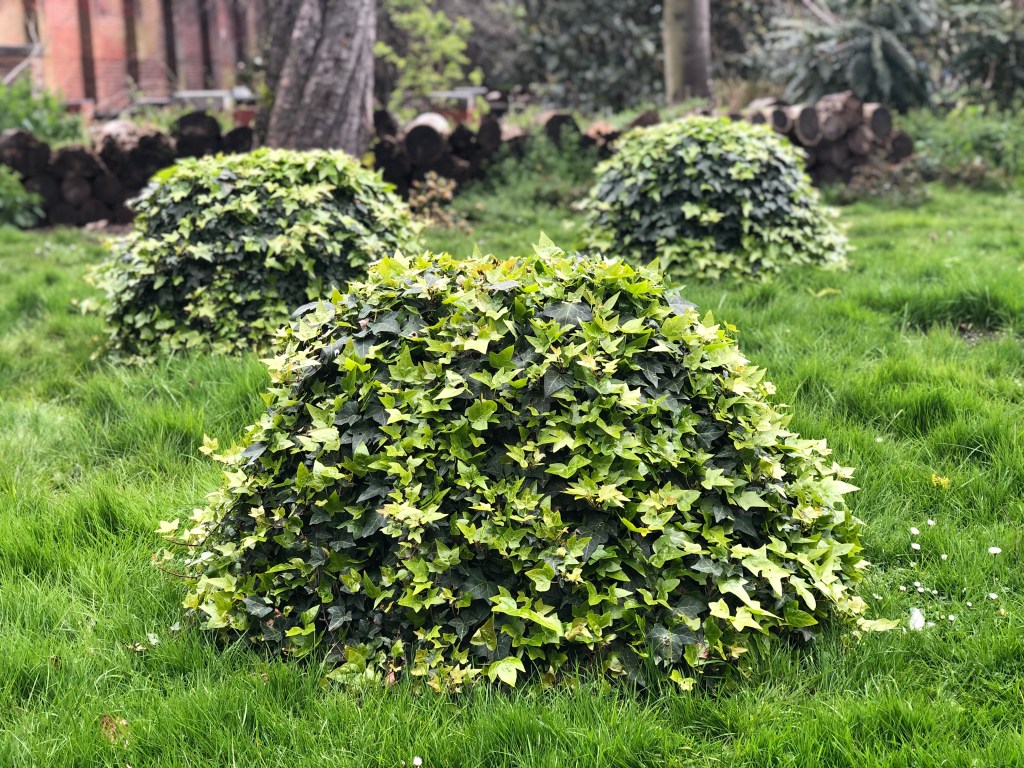
Consider all the types of ivy, shades of green from forest to chartreuse, many variegated with veins of white, and that the life God gives spreads and grows and is impossibly strong, since it has something good to cling to.
Consider the pitcher plant, spotted purple and pink, that collects water and bugs to live on, and if you can get past the creepy fascination of a carnivorous plant, think about the living water that Jesus offers.
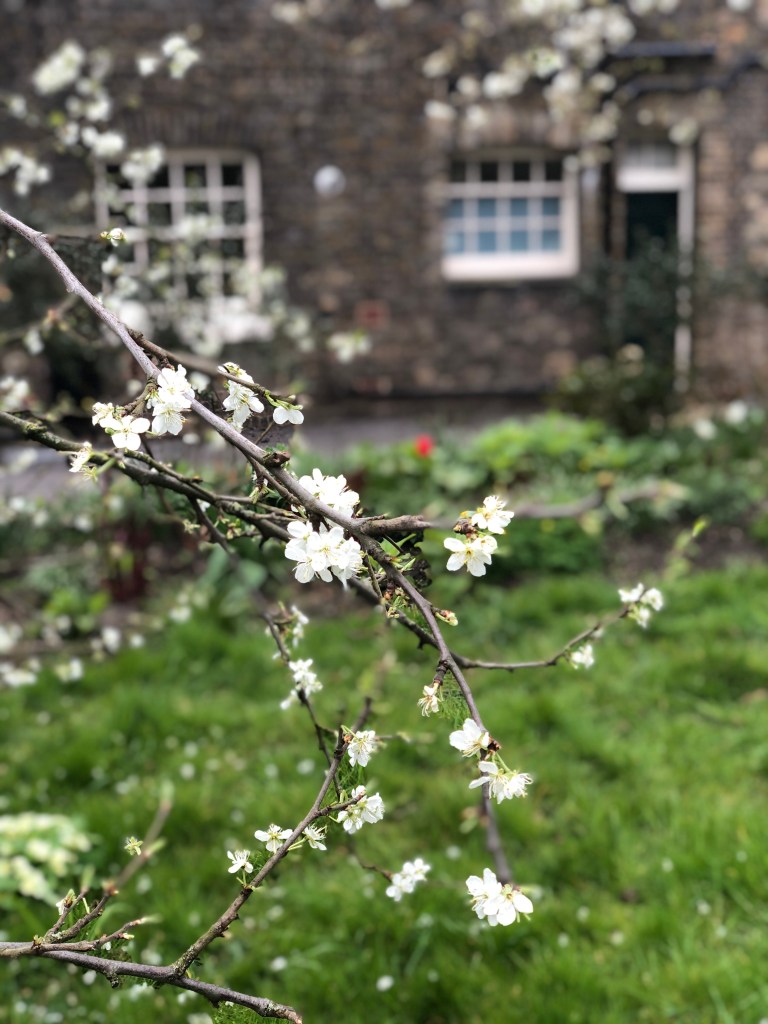
Consider cherries and quince and other flowering trees that put out their blossoms in spring, when creation seems most fragile. Consider, especially the dogwood, with its four flat, white petals each marked with a brownish pink spot, like a cross marked with nails. Remember the sacrifice that sealed our salvation, and that the life God promises, the life Jesus poured out for us is an ongoing gift.
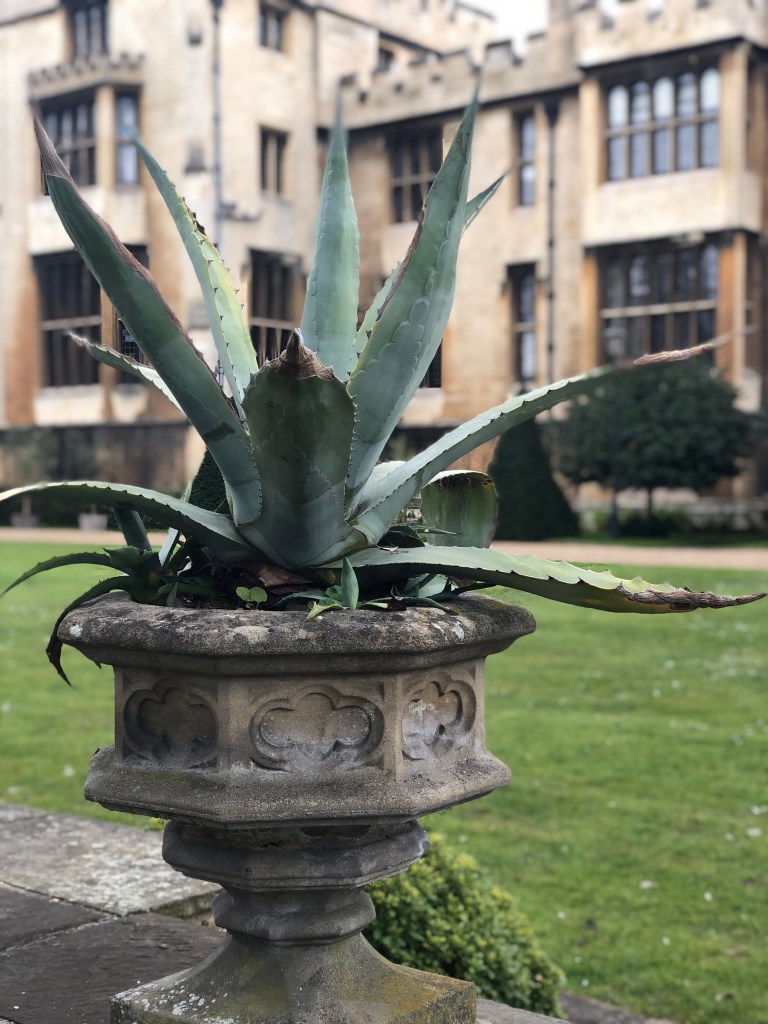
Consider the knobby, spiky planks of an aloe plant, with their sticky salve inside. Remember that God is ever with us, a balm of Gilead and the comfort of our souls, even in the midst of hard times, spiky times, or times of intense heat and trial. Consider the aloe…
Consider the mustard seed, the tiny kernel of faith, which proliferates just as the church has grown and matured, and consider the pomegranate, which is most lovely when it is burst open, just as the Body of Christ is most lovely when it is generously giving of itself. Consider the redwood and impossibly tall sequoyah that seem to go up and up and up, and then encourage the church to stand up and up for justice, reaching out and out to those in need of love and faith and generosity. Consider the mustard seed, the pomegranate, the redwood…
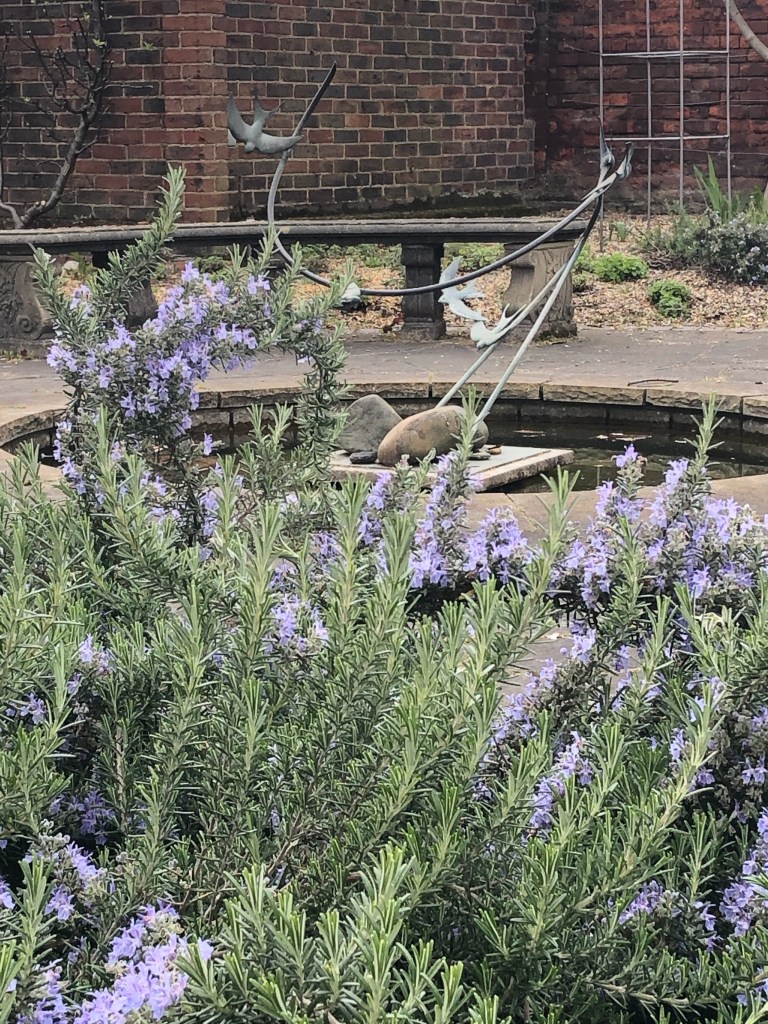
Consider rosemary and mint, marjoram, coriander, basil, oregano, and lavender, each a different flavor and fragrance that compliment one another, and remember the diversity Christ wants for our great community, the church. Think of its warmth and sweetness; that it is sometimes bitter or biting, but ultimately full of God’s good intention for our lives to be more rich than bland, for what is salt without its saltiness or lavender leaves without their scent? Consider a garden bursting with herbs…
And then, perhaps, consider a tree that is in a good place, a fine place, of its own finding, but which can be somewhere better, somewhere nourished by running water, where it’s leaves will never wither and where it’s fruit will always be bright and crisp and fresh. Consider how God has already found you and planted you, surrounded you with living water, and is eagerly waiting to see what bright foliage, what fresh fruit you can create, together, forever and ever. Amen.
“We shall not be moved”